




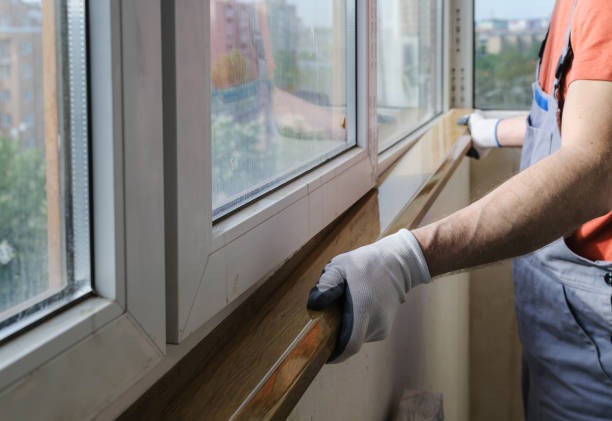
Energy efficiency has become a significant concern in today’s world due to the increasing effects of global warming. One effective way to reduce your carbon footprint is by replacing old windows with energy-efficient ones. Not only will this help protect the environment, but it also reduces energy costs and improves the comfort of your home.
Windows play a crucial role in maintaining the temperature inside our homes. Traditional single-pane windows allow heat to escape during winter and let unwanted heat inside during summer, forcing heating and cooling systems to work harder. This results in high energy consumption which contributes significantly to greenhouse gas emissions. On the other hand, energy-efficient Windows Replacement Las Vegas are designed to keep heat where it belongs, reducing reliance on artificial heating and cooling methods.
Energy-efficient windows typically have multiple panes of glass, often filled with inert gases like argon or krypton that provide better insulation than air. These gases reduce heat transfer through conduction, keeping your home warmer in winter and cooler in summer without overusing heaters or air conditioners.
Additionally, these types of windows usually come with low-emissivity (Low-E) coatings that reflect radiant heat while allowing visible light into your home. Low-E coatings can block up to 90% of harmful ultraviolet rays from entering your space – protecting furniture from fading while still letting natural light fill your rooms.
Replacing old windows with energy-efficient models also helps curb noise pollution – another form of environmental degradation. The superior insulation properties not only keep out unwanted temperatures but also block external noises making for quieter interiors.
Moreover, opting for such eco-friendly alternatives enhances property value as well as aesthetic appeal. Energy efficient-windows come in various styles and designs that can complement any architectural style while simultaneously boosting resale value due to their sustainability features.
While upfront costs may be higher than traditional window replacements, long-term savings make them a worthwhile investment. Reduced utility bills offset initial expenses over time; government incentives might even bring down costs further since many regions offer rebates or tax credits for energy-efficient home improvements.
In conclusion, replacing old windows with energy-efficient ones is a practical and effective step towards reducing your carbon footprint. It not only makes your home more comfortable and cost-effective but also contributes significantly to the global effort of mitigating climate change impacts. Remember, every small action counts when it comes to saving our planet. Energy-efficient window replacement is indeed an investment in a sustainable future that pays off in multiple ways – economically, environmentally, and aesthetically.